
Micro cement
Seamless, waterproof, and usually straight over what you already have.
Micro cement is a thin, hand-applied cement-based coating that goes over almost any sound surface and leaves a single, continuous finish with no grout lines anywhere. It's the work we've moved towards most deliberately in the last few years, and the work we get asked about most.
Where it works
Bathrooms and wet rooms, kitchen splashbacks and worktops, floors, stairs, and single feature walls. It goes on walls, floors and ceilings in the same room, which is what gives you that continuous look you can't get with tile.
Why people choose it
No grout. That's usually the first reason — nothing to scrub, nothing to discolour. Then the fact it's only a few millimetres thick, so it doesn't eat the room or raise floor levels enough to matter. And it's genuinely seamless, so a small bathroom reads as bigger than it is.
The colour and the texture
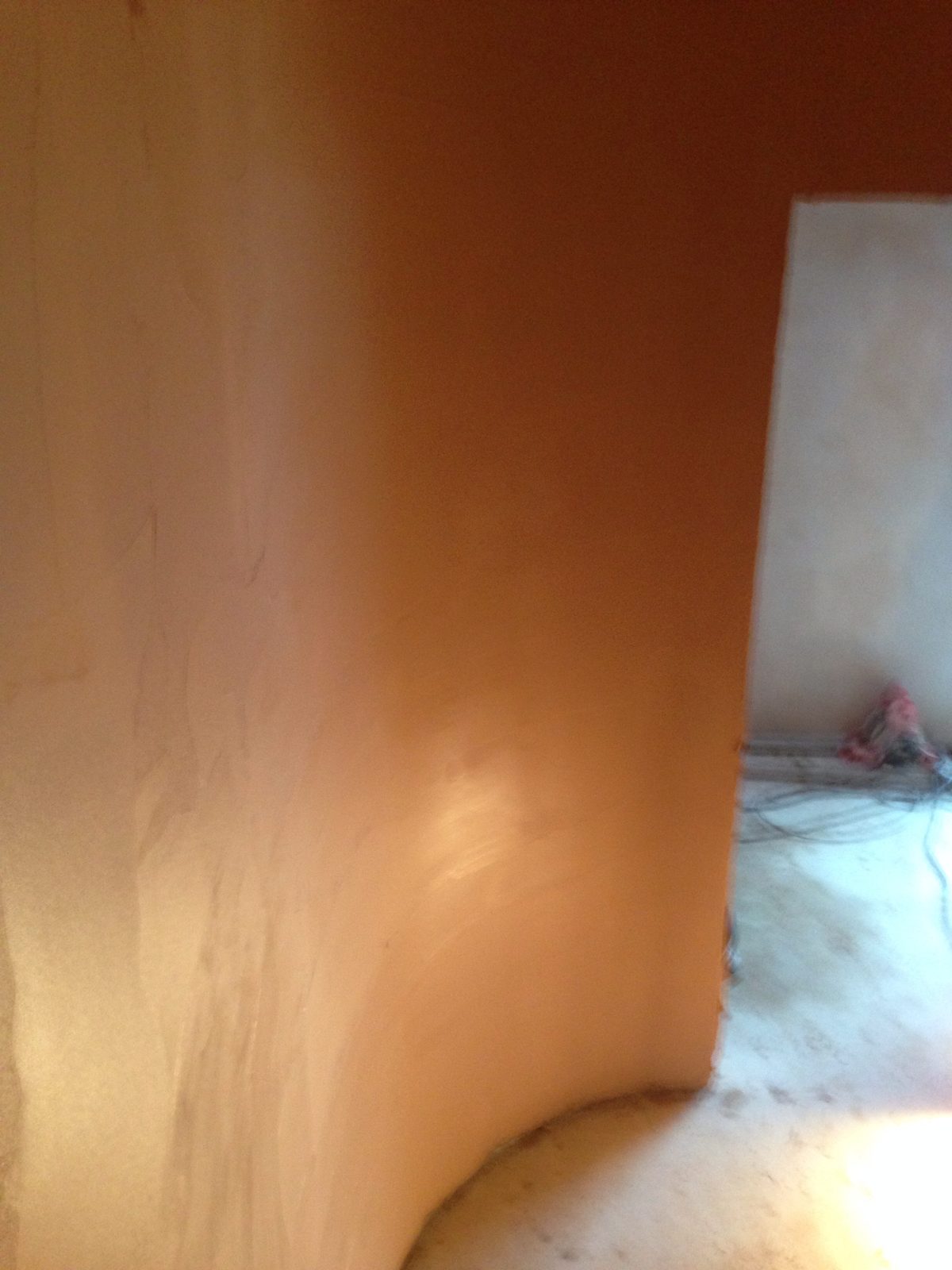
The texture comes from the application, not from a printed pattern, so no two walls are identical. We'll bring samples and do a test area before we commit to anything — the last bathroom we finished was sand light in F1, which shows the movement the material makes as it's laid on.
How the job runs
Look at it properly
We come and see the room, check what the existing surfaces are doing, and tell you honestly whether it suits micro cement or whether something else would serve you better.
Prep
The bulk of the job. Existing surfaces are checked for movement, primed and made flat. It is all in the prep work — a micro cement finish will show every fault underneath it.
Base coats
Two base coats with a reinforcing mesh where it is needed, each one flattened back.
Finish coats
Two thin finish coats, applied and worked by hand. This is where the texture and the colour arrive.
Seal
Sealed to the use — a wet room is specified differently to a feature wall. Then a short cure before you use the room.
Questions we get asked
Can it go over my existing tiles?
Usually, yes — if they're solid. Most of the bathrooms we've done went straight over what was already there. No rip-out, no skip on the drive, and a week or so rather than a month. If the tiles are drummy or moving we'll tell you, because covering them would only hide a problem.
Is it actually waterproof?
In a wet room, properly specified and sealed, yes. It's a system rather than a coat of something — the waterproofing is built up underneath the finish, which is why we trained for it before we took a penny for it.
Will it crack?
It moves with the substrate, which is why the prep matters so much. On a sound, stable surface with the right base build-up it shouldn't. On something that's already moving, nothing will save it — that's a conversation we'd rather have before we start.
How long does it take?
A typical domestic bathroom is a week or so on site, plus curing time before use. Bigger floors take longer. We'll give you a date and turn up on it.
What does it cost?
It's priced per square metre and it depends on the substrate, how much prep it needs, and the finish you choose. It generally sits above tiling and below a full re-fit. We'll quote properly after seeing the room rather than guessing at it over the phone.
Micro cement work
Photographs from our own jobs.
Tell us about the room.
Most quotes go out the same day. Call, WhatsApp, or send the form — whichever suits you.