
Lime & heritage
Breathable plaster for buildings that were never meant to be sealed up.
Older buildings were built to let moisture move through their walls and out again. Seal one up with modern gypsum and cement and the water has nowhere to go — it sits in the fabric and comes out as damp, blown plaster and rotten timber. Lime lets the wall breathe the way it was designed to.
Where it works
Period and listed properties, stone and solid-brick walls, barn conversions, fireplaces and inglenooks, and anywhere a previous owner has trapped a wall behind cement and it's started to complain.
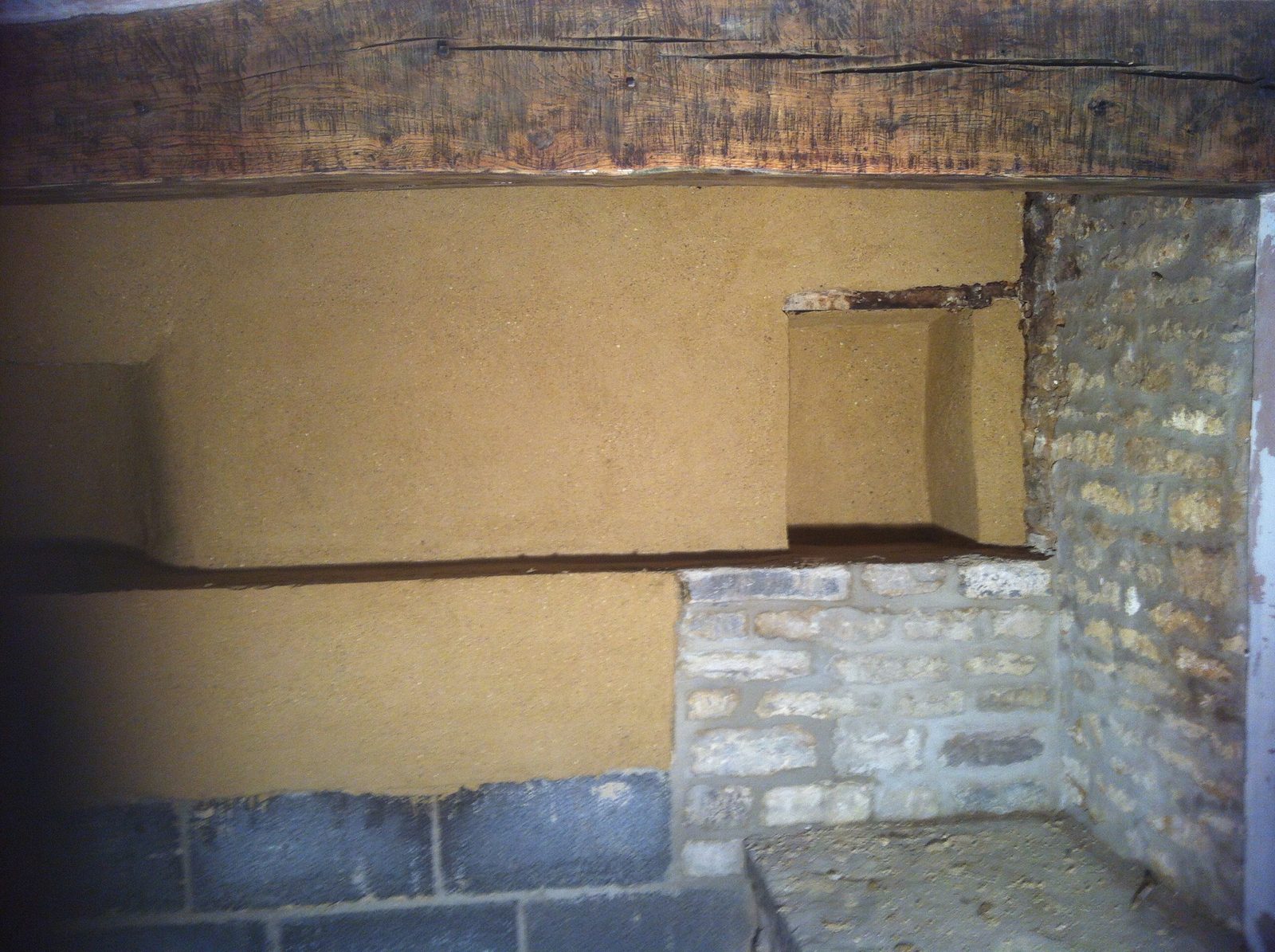
Internal lime render and lime skim
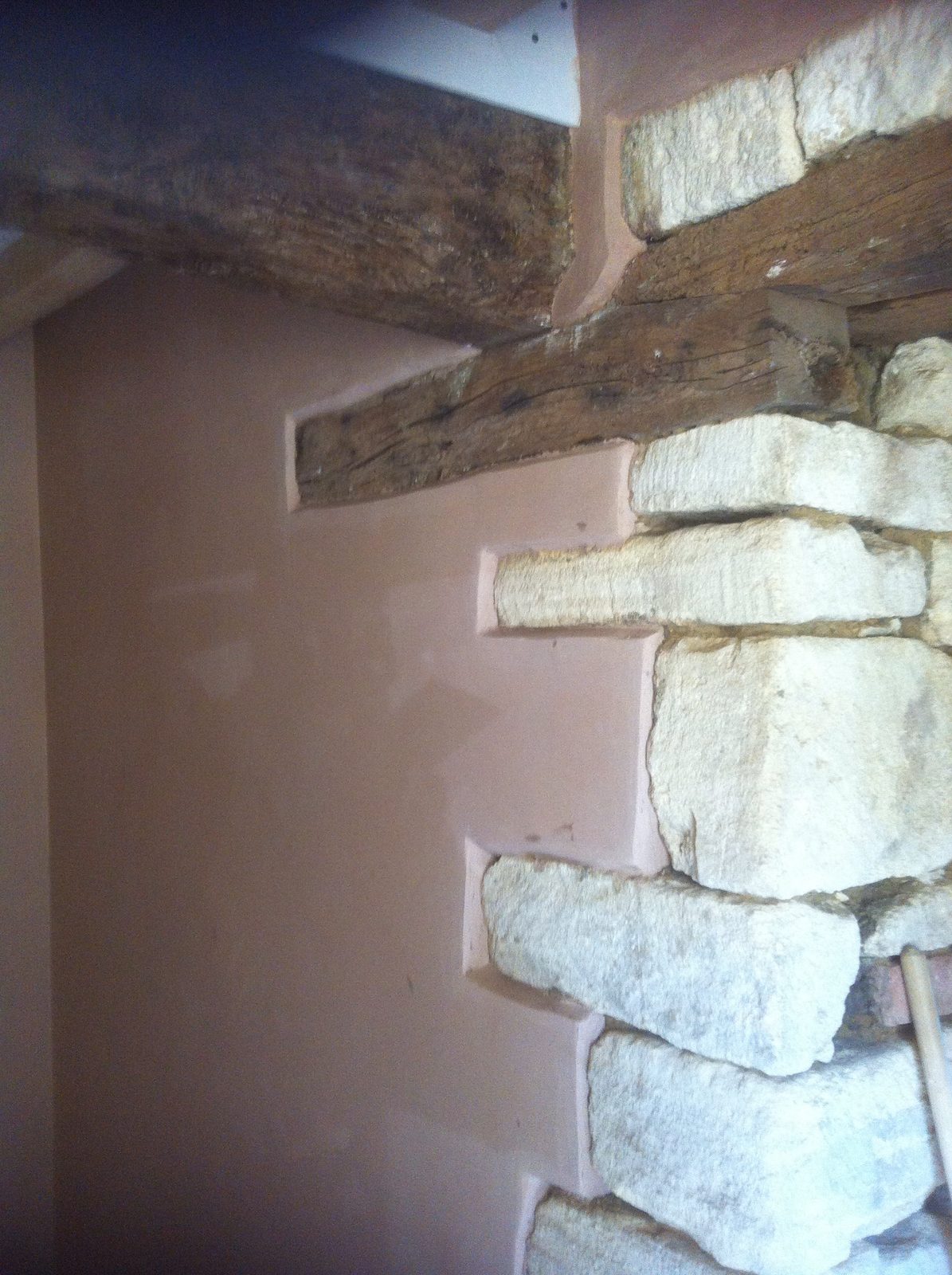
We strip the old cement pointing back, render in lime, then skim with a lime coat. It brightens a dark room noticeably — lime has a softness to it that gypsum doesn't — and it lets the walls breathe.
Working with what’s there
A lot of this work is around stonework and old beams that the customer wants left exposed. Cutting plaster cleanly into irregular stone is slow, fiddly work, and it's most of what makes the difference between a heritage job that looks right and one that doesn't.
How the job runs
Understand the wall
What it is built of, what has been done to it, and what is causing any damp before we cover anything up.
Strip back
Remove old cement render and pointing that is trapping moisture. Messy work, and where the dust sheets earn their keep.
Lime render
Built up in coats and allowed to go off at its own pace. Lime cannot be rushed — that is simply how it works.
Lime skim
A finishing coat, worked to the finish you want, from a flat modern surface to something with more movement in it.
Questions we get asked
Why not just use normal plaster?
On a modern cavity wall, normal plaster is right. On a solid stone or brick wall with no cavity, gypsum and cement trap moisture inside the wall. The damp doesn't go away — it moves somewhere else, usually somewhere worse.
Does it take longer?
Yes. Lime cures slowly and each coat has to go off before the next one goes on. A lime job is a longer job than the same room in gypsum, and anyone telling you otherwise is planning to rush it.
Can you match an existing finish?
Usually. Bring us a photo or, better, let us see it — matching an old finish is mostly about how it's worked rather than what's in it.
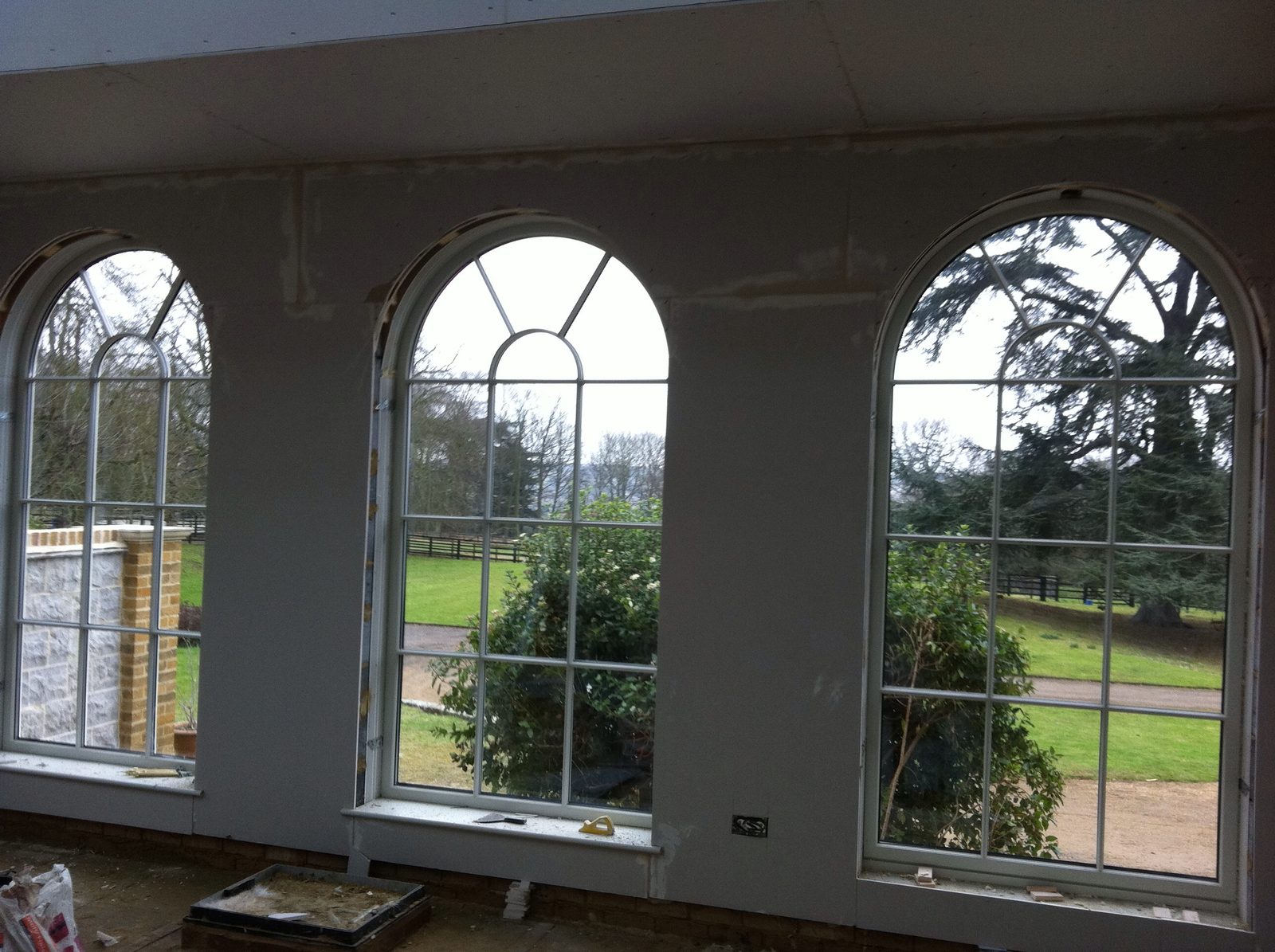
Lime & heritage work
Photographs from our own jobs.
Tell us about the room.
Most quotes go out the same day. Call, WhatsApp, or send the form — whichever suits you.